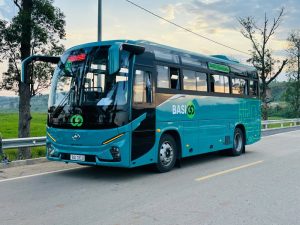

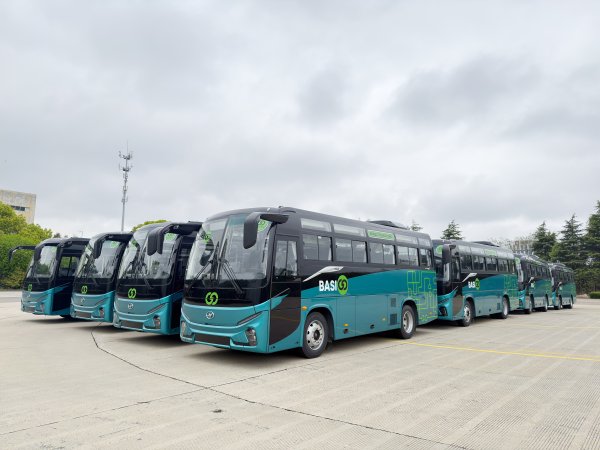
BasiGo Rwanda is expanding its electric bus fleet with the addition of 18 new electric passenger buses, increasing the company’s operational fleet from 34 to 52 vehicles as it extends services to routes across Rwanda’s provinces.
The new fleet consists of 100% electric buses designed to help public transport operators reduce their dependence on diesel fuel amid rising petroleum prices while contributing to Rwanda’s environmental sustainability goals.
The buses are equipped with long-range batteries capable of traveling up to 400 kilometers on a single charge. This allows them to complete routes such as a round trip between Kigali and destinations in Eastern Province without requiring recharging.
Each bus has a seating capacity of 42 passengers and includes spacious luggage compartments, making them suitable for intercity and regional transportation services.
While electric buses have become increasingly common in Kigali, BasiGo plans to deploy the new buses on routes serving Rwanda’s Southern, Northern, and Eastern Provinces..
Speaking to the media, BasiGo Rwanda Managing Director Jones Kizihira confirmed that the buses have already arrived at the Port of Mombasa and are currently en route to Rwanda. He said the vehicles are expected to arrive in the country before the end of June 2026.
Kizihira noted that electric buses offer significant economic advantages for public transport operators, particularly at a time when fuel prices continue to rise.
“Fuel prices are increasing, and these buses will help public transport operators meet their operational targets while reducing daily operating costs,” he said. “Many operators still rely on diesel-powered vehicles. Introducing electric buses into their fleets will lower their fuel expenses and improve the sustainability of their investments.”
He also encouraged transport operators to embrace electric mobility, noting that confidence in the technology is growing as more people experience its benefits.
“Electric vehicles are still relatively new technology, and many people initially have concerns before adopting them,”Kizihira said. “However, we are seeing increasing acceptance. As more electric vehicles enter the market, technical expertise in maintaining and servicing them also continues to grow.”
BasiGo Rwanda has set a target of deploying at least 100 electric buses in Rwanda by the end of 2026.
The company is also investing in workforce development by training technicians, charging station operators, and other specialists needed to support the growing electric mobility ecosystem. In parallel, BasiGo continues to expand its charging infrastructure across the country.
Currently, the company operates electric vehicle charging stations in Kigali and Muhanga districts and plans to expand its charging infrastructure nationwide.