
Some residents who once carried out activities that severely degraded Gishwati-Mukura National Park say they now regret the years they spent destroying it, after realizing that the park has become a source of livelihood through development projects that have created jobs for local communities.
Gishwati-Mukura National Park is located in Rwanda’s Western Province. In the 1970s, the Gishwati Forest covered about 27,000 hectares. However, by the year 2000, it had been reduced to just 600 hectares, only 2% of its original size, after three decades of severe degradation.
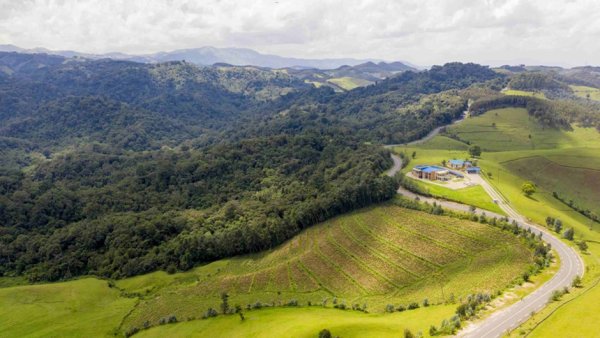
Today, the forest has been restored to cover more than 3,500 hectares. This recovery followed years during which the area had been settled by people, converted into grazing land, used for farming and hunting, charcoal burning, and other activities that led to massive environmental destruction.
In 2002, efforts to restore and conserve the biodiversity of the forest began. In 2015, Gishwati Forest was officially designated a national park and merged with Mukura Forest, forming Gishwati-Mukura National Park.
In 2020, the park was recognized by the United Nations Educational, Scientific and Cultural Organization (UNESCO) as part of its biosphere reserve network.
Some former illegal users of the park say they were unaware of the long-term consequences of their actions and were driven by short-term personal interests at the expense of public good.
Kabasha Etienne, from Mushonyi Sector in Rutsiro District, is one of the former encroachers who used to farm and hunt inside the park but is now employed as a park ranger.
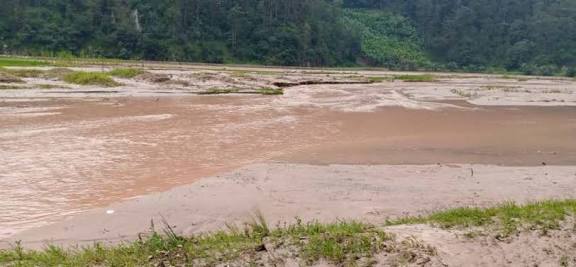
He said, “In the past, I used to grow potatoes inside the park, cut trees to make charcoal, and burn others completely. We hunted duikers and monkeys for food, and killed other animals thinking they would destroy our crops. The forest was almost gone, with only a very small portion left. Heavy rains would cause soil erosion and landslides, killing people and destroying our farms.”
Another former encroacher, Nizeyumukiza, said, “We lived like rebels in the forest, burning charcoal. We have now stopped. The government resettled us properly, and today we live in decent houses with access to clean water and electricity.”
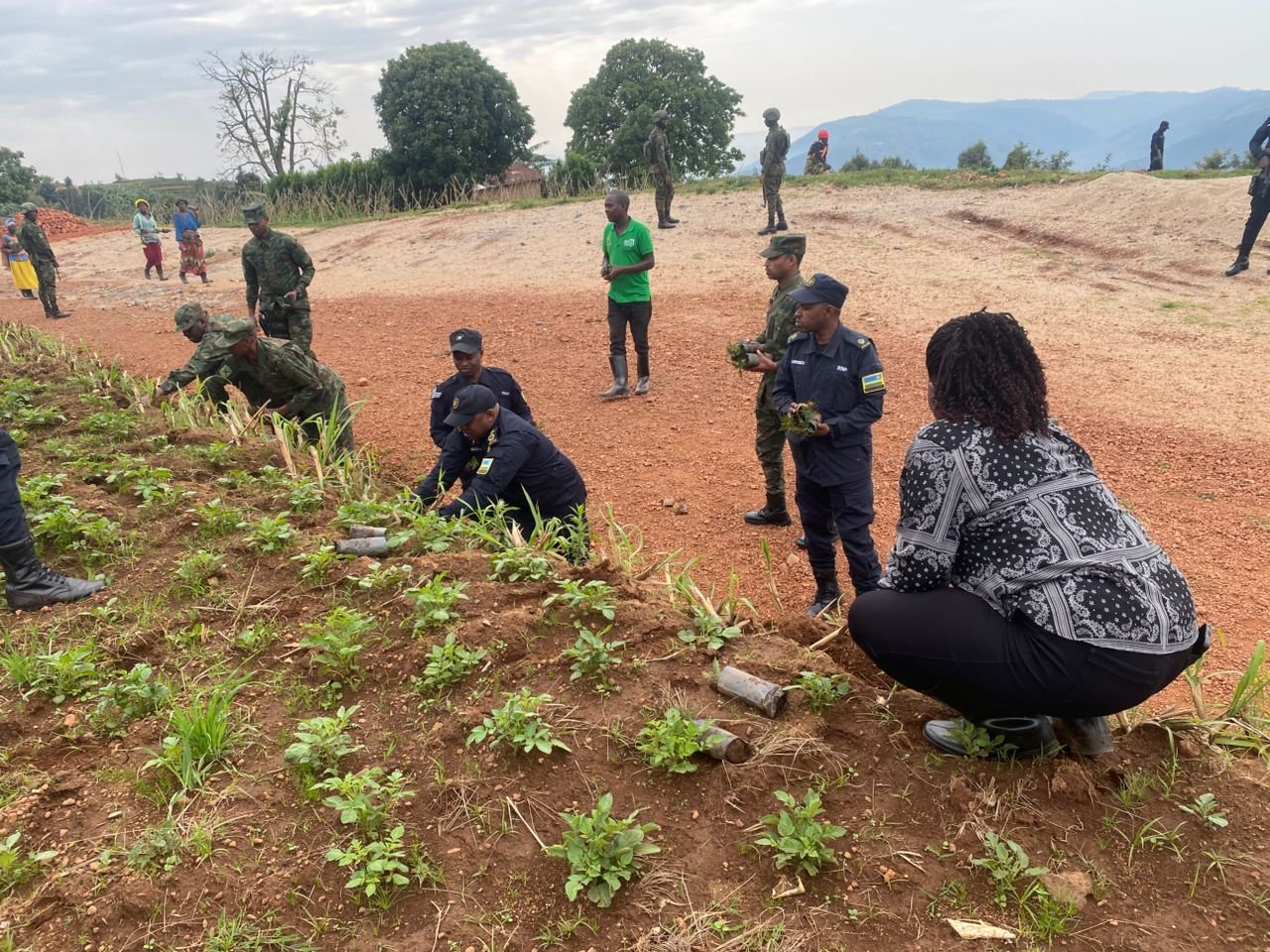
Following the launch of restoration efforts in Gishwati-Mukura, local communities were sensitized, and some of the former encroachers were given jobs to help protect the park.
Kabasha added, “We now understand the value of conserving this park. Farming inside it has stopped, and those who lived there were resettled in better places. I was given a job to protect the forest, and I can support my family and live a decent life. Before, we only cared about our own interests and destroyed public resources.”
The Coordinator of Forest of Hope Association (FHA), Thiery Aimable Inzirayineza, noted that although significant progress has been made, some residents still hold mindsets that lead to environmental degradation.
He said, “Illegal activities have reduced as people become more aware and start benefiting from the park through the revenue-sharing program, which supports community infrastructure projects.”
However, he acknowledged ongoing challenges, adding, “Some residents still enter the park because they have farms inside it, and in other cases wildlife damages crops where farming is done too close to the park. We will continue working with communities to encourage them to grow crops that are less attractive to wildlife, as coexistence is essential.”
Dominique Mvunabandi, Director of Science, Technology and Innovation at UNESCO, emphasized that community development and research are key to long-term environmental conservation.
He said, “Our priority is to improve the livelihoods of communities living around protected areas. We will continue conducting research while also educating communities on how to live harmoniously with the ecosystems found in these areas, so that conservation benefits them.”
Gishwati-Mukura National Park covers approximately 3,500 hectares and is home to chimpanzees, monkeys, various primate species, numerous bird species, mountains, indigenous trees, and waterfalls. The park spans Ngororero and Rutsiro districts.
The Rwanda Development Board (RDB) reports that since 2019, more than RWF 2 billion, representing 10% of the park’s tourism revenue has been shared with communities in districts surrounding Gishwati-Mukura National Park.
These funds have been invested in projects aimed at improving community livelihoods and strengthening environmental conservation.
Rwanda is home to four national parks: Volcanoes National Park, Akagera National Park, Nyungwe National Park, and Gishwati-Mukura National Park. Together, these protected areas play a critical role in conserving biodiversity and attracting tourists from around the world.