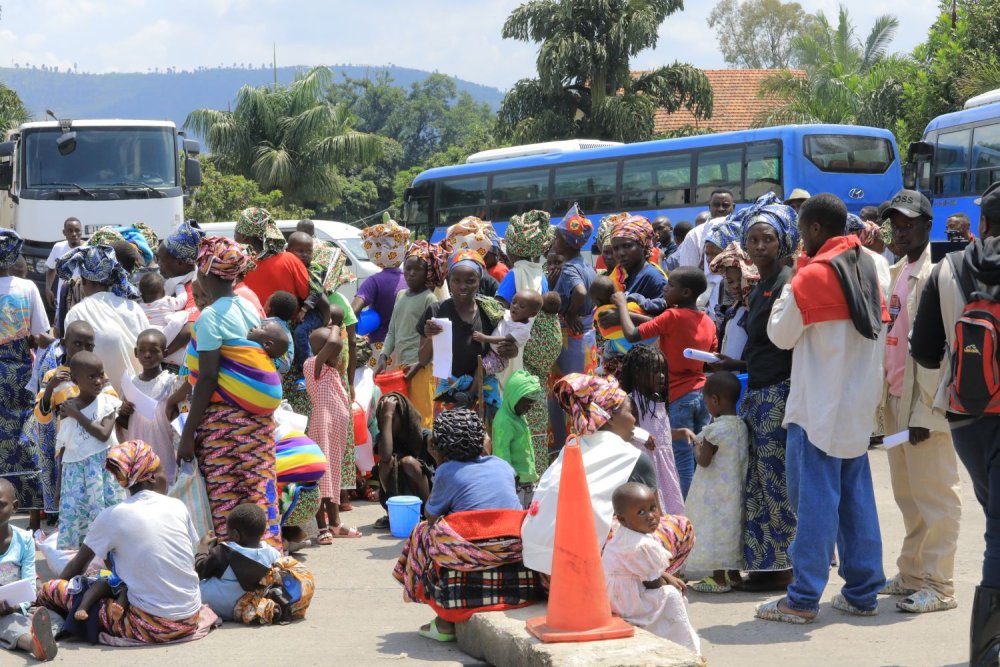

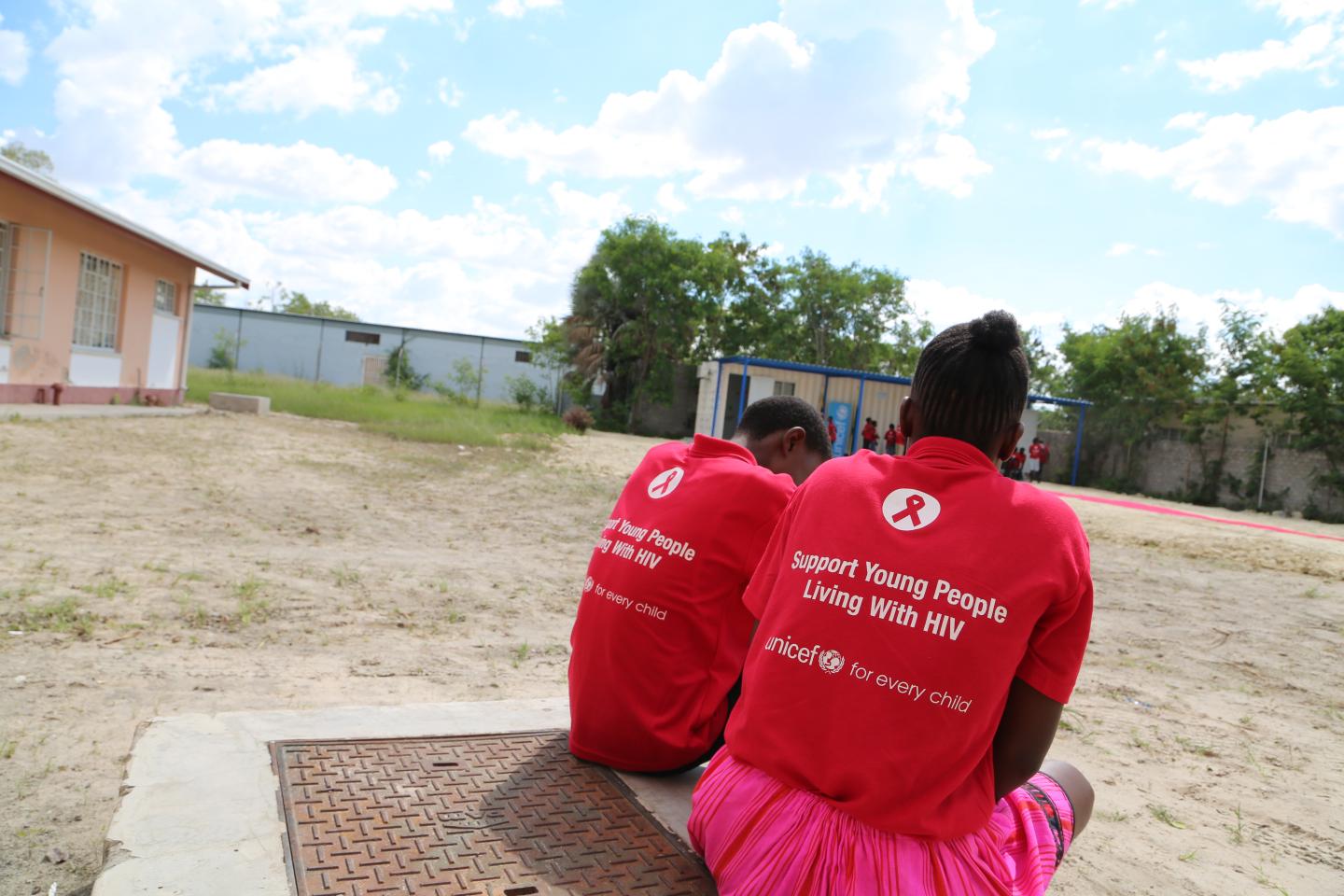
People living with HIV are particularly at risk during extreme weather events (EWEs) such as floods, droughts, hurricanes, and blizzards, which can disrupt access to care and worsen health outcomes.
Researchers from UC Santa Barbara, UC San Francisco, and the City University of New York have linked decades of climate and weather data to a multinational cohort of 2.2 million people living with or at risk for HIV.
The study, published in GeoHealth and supported by the National Institutes of Health, highlights how EWEs affect HIV treatment and public health.
“People living with HIV are an especially vulnerable population, many of whom live in areas that are historically or increasingly prone to severe weather events,” said UCSB geographer Frank Davenport.
The research focused on 777 HIV clinics in the NIH-funded IeDEA network, tracking drought exposure from 1981 to 2023 and flood exposure from 2006 to 2023.
Lead author Sophia Arabadjis explained, “But when you have disruptions like floods and droughts, where people may not have access to the right drugs, care or basic food/water supplies, the viral load begins to build in these patients.”
Droughts typically have indirect effects, increasing food insecurity and prompting migration or transactional work that can disrupt treatment.
Floods often cause immediate damage to infrastructure, displacing patients and making clinic access difficult, while also raising the risk of waterborne or mosquito-borne diseases.
Southern Africa’s IeDEA sites are currently most exposed to both drought and flood risks. Arabadjis emphasized that “pinpointing which clinics are at-risk helps us target resources and mitigation efforts across the network.”
While the study does not examine patient-specific outcomes, it provides a foundational record for future research and could inform policies to protect HIV patients during extreme weather events.